Understanding the Nutrition Information Panel
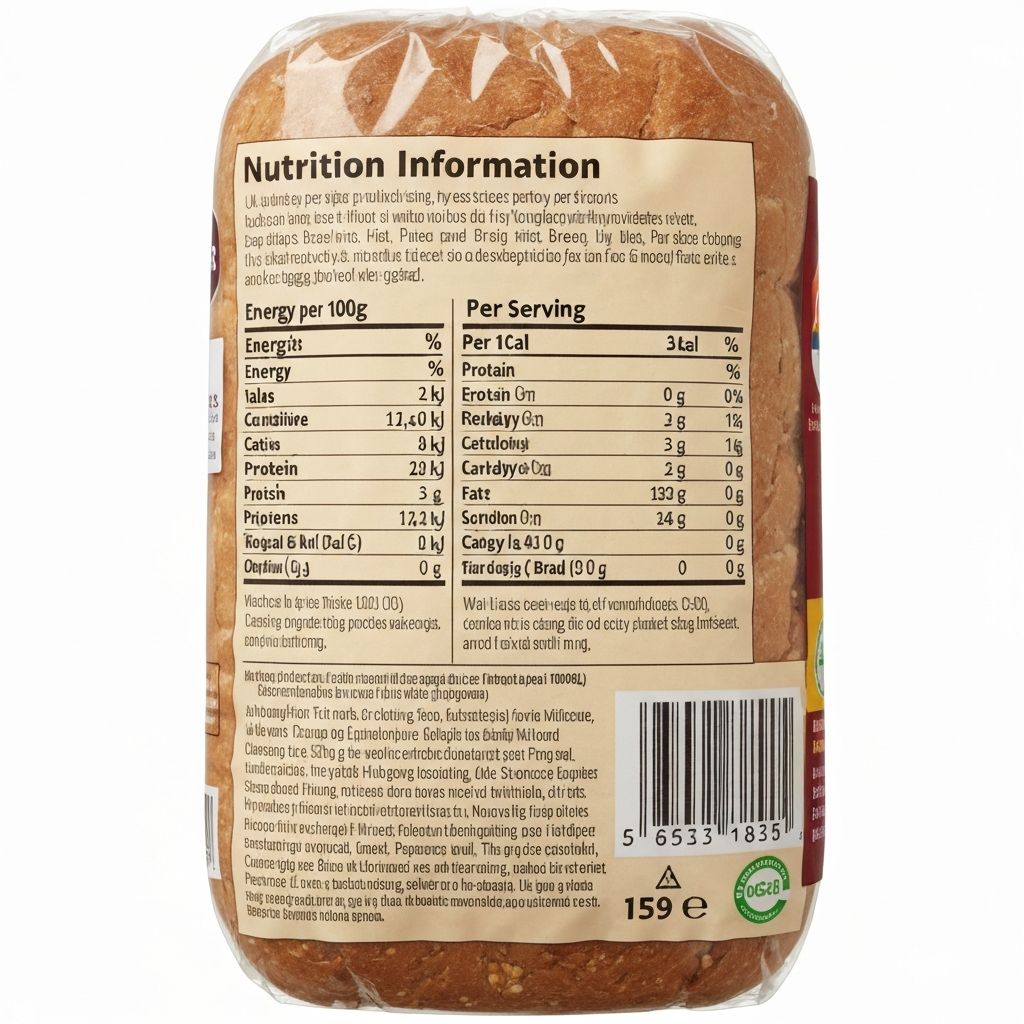
The nutrition information panel is a standardised table found on the back or side of food packaging in the United Kingdom. This panel displays key nutritional values in a consistent format, making it possible to compare similar products.
Two Columns: Per 100g and Per Serving
The nutrition panel contains two sets of values. The first column shows nutrients per 100 grams or 100 millilitres of the product. The second column shows nutrients per serving or per portion as defined by the manufacturer.
The per 100g values allow for fair comparison across all products in a category. For example, you can directly compare the energy content of two different breakfast cereals using the per 100g figures, regardless of portion size recommendations.
The per serving values reflect what you are likely to consume based on the manufacturer's recommended portion size. However, actual serving sizes can vary significantly between consumers, so it is important to check the stated portion size.
Energy Values: Kilojoules and Kilocalories
Energy is always displayed in both kilojoules (kJ) and kilocalories (kcal). One kilocalorie equals approximately 4.184 kilojoules.
These units measure the energy your body can extract from the food. The conversion factor used in UK labelling is: 1 kcal = 4.184 kJ.
Macronutrients
The nutrition panel displays four main macronutrients:
Fat
Total fat content is listed, followed by saturates (saturated fatty acids). Saturates are highlighted separately because they are regulated as a key nutrient.
Carbohydrate
Total carbohydrates are listed, with sugars specified separately. Sugars include both naturally occurring sugars and added sugars.
Fibre
Dietary fibre is listed as a separate line item. Fibre is a type of carbohydrate that is not digested by the human body.
Protein and Salt
Protein and salt (sodium) are listed as separate line items in the mandatory nutrition information.
Understanding Reference Intake (RI) Percentages
Many nutrition panels include a %RI (Reference Intake percentage) column alongside the nutrient values. This percentage indicates how much of the recommended daily intake a serving provides, based on an average adult consuming 2000 kcal per day.
For example, if a serving of cheese contains 300 mg of salt and the reference intake for salt is 2400 mg, the %RI would be approximately 12%.
How to Compare Products Using the Nutrition Panel
To fairly compare two similar products, always use the per 100g values. This removes the variable of different portion size recommendations between manufacturers.
For example, if comparing two bread products, check the energy content per 100g and the fat content per 100g. This gives you a true comparison of the nutritional profile.
Individual Needs May Vary
The reference values on nutrition panels are based on an average adult. Individual nutritional needs can vary significantly based on age, activity level, health status, and other factors. The information presented is general nutritional data, not personalised nutrition advice.